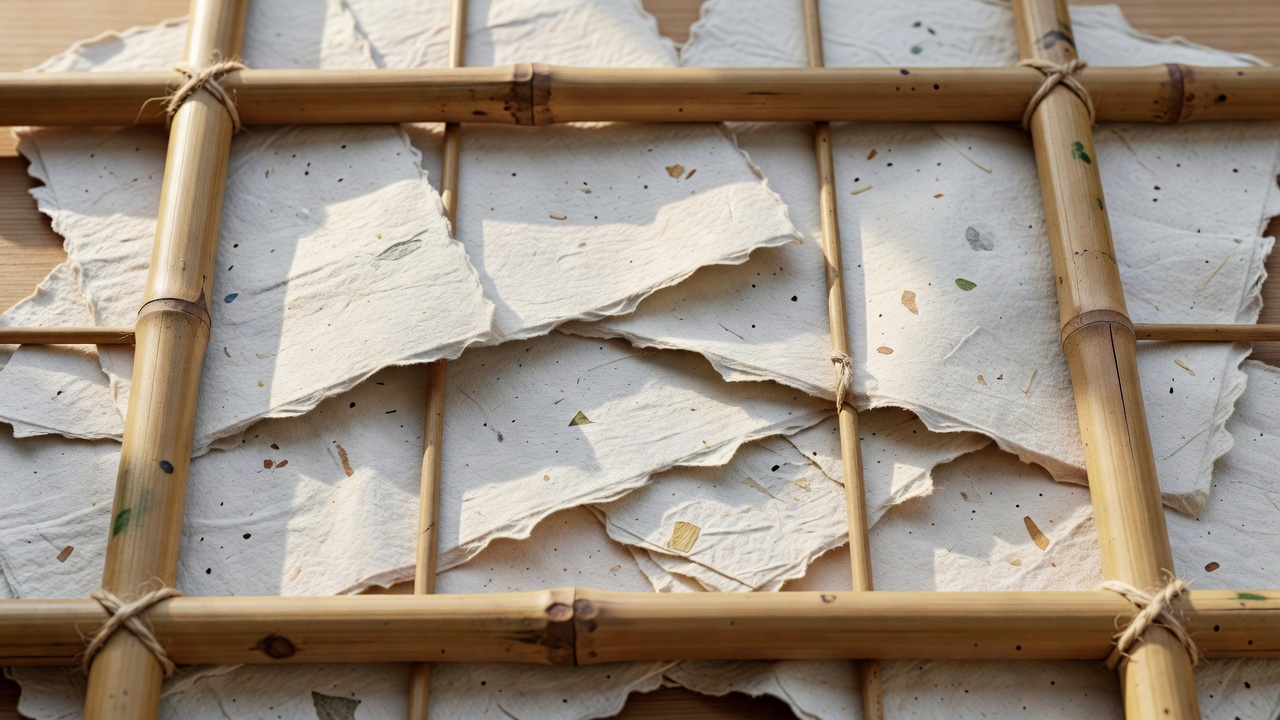
The structural integration of wall art must account for material lifecycles. Historically, mass-produced wall decor relied heavily on solvent-based inks, virgin plastics, and uncertified timber—materials with severe environmental consequences. Modern curatorial standards demand rigorous evaluation of the substrates, inks, and framing architectures used in print reproduction.
Substrates and Paper Stock
The foundation of any print is the substrate. Standard glossy photo papers are frequently coated with polyethylene, rendering them unrecyclable and non-biodegradable. Sustainable alternatives prioritize natural fibers and recycled composites without compromising archival longevity.
- Hemp and Bamboo Papers: These fast-growing crops require a fraction of the water and zero pesticides compared to traditional cotton. Structurally, bamboo paper offers a heavy, textured grain that holds ink with exceptional depth.
- Post-Consumer Recycled Stock: High-grade art papers manufactured from 100% post-consumer waste are now capable of matching the brightness and weight metrics of virgin wood-pulp papers.
- Recycled PET Canvas: For stretched canvases, standard polyester is being replaced by threads extruded from recycled plastic bottles, maintaining the necessary tensile strength for stretching over bars while diverting waste from landfills.
Ink Architecture: Moving Away from Solvents
Ink chemistry dictates both the visual impact and the ecological footprint of a print. Traditional solvent inks produce brilliant colors and high durability, but they release volatile organic compounds (VOCs) into the atmosphere during drying and off-gas over time.
Water-based pigment inks represent the sustainable standard. These inks utilize micro-encapsulated pigments suspended in an aqueous solution. They emit zero VOCs and offer superior UV resistance. When paired with the correct uncoated, acid-free substrate, water-based pigments embed deeply into the fibers, creating a structurally sound archival print that will not degrade under standard indoor lighting.
| Ink Type | Environmental Impact | Archival Quality |
|---|---|---|
| Solvent / Eco-Solvent | High to Moderate (VOC emissions) | High (Outdoor durability) |
| Dye-Based | Moderate (Chemical synthetics) | Low (Prone to fading) |
| Aqueous Pigment | Low (Water based, no VOCs) | Exceptional (Museum standard) |
Framing Mechanics and Materiality
The frame is the structural exoskeleton of the artwork. Avoid polystyrene moldings—cheap plastic frames manufactured from petrochemicals that warp over time and cannot be recycled. Sustainable framing focuses on circular materials.
Extruded aluminum is infinitely recyclable; using recycled aluminum molding consumes 95% less energy than processing virgin bauxite. For organic textures, Forest Stewardship Council (FSC) certified woods guarantee that timber is harvested from sustainably managed forests. Fast-growing solid bamboo offers a dense, rigid alternative to slow-growth hardwoods like oak or walnut.
Conclusion
Curating a sustainable space requires examining the material origin of every structural element. By selecting FSC-certified framing, VOC-free aqueous inks, and alternative fiber substrates, collectors ensure their aesthetic choices align with strict ecological responsibility, proving that structural longevity and sustainability are entirely compatible.